Ground-Based
Optical Systems
Built for the missions ahead.
From components
to complete telescopes.
Ground-based telescopes and optical systems engineered for uninterrupted operation. Built to deliver stable, accurate data night after night across decades of continuous operation.
We engineer ground-based optical systems that unlock new science cases, sharpen space situational awareness, and enable reliable optical communication links built around optimized architectures and proven mechanical and operational reliability over years of continuous operation.
50 +
0.5 – 4m Class
Telescopes or subsystems delivered to professional observatories.
Wide range
of mirrors manufactured for
astronomy and space instruments.
Global footprint
built on decades of partnership with the world’s leading observatories.
Our Ground Systems & Astronomy Solutions
Large Astronomical
Telescopes
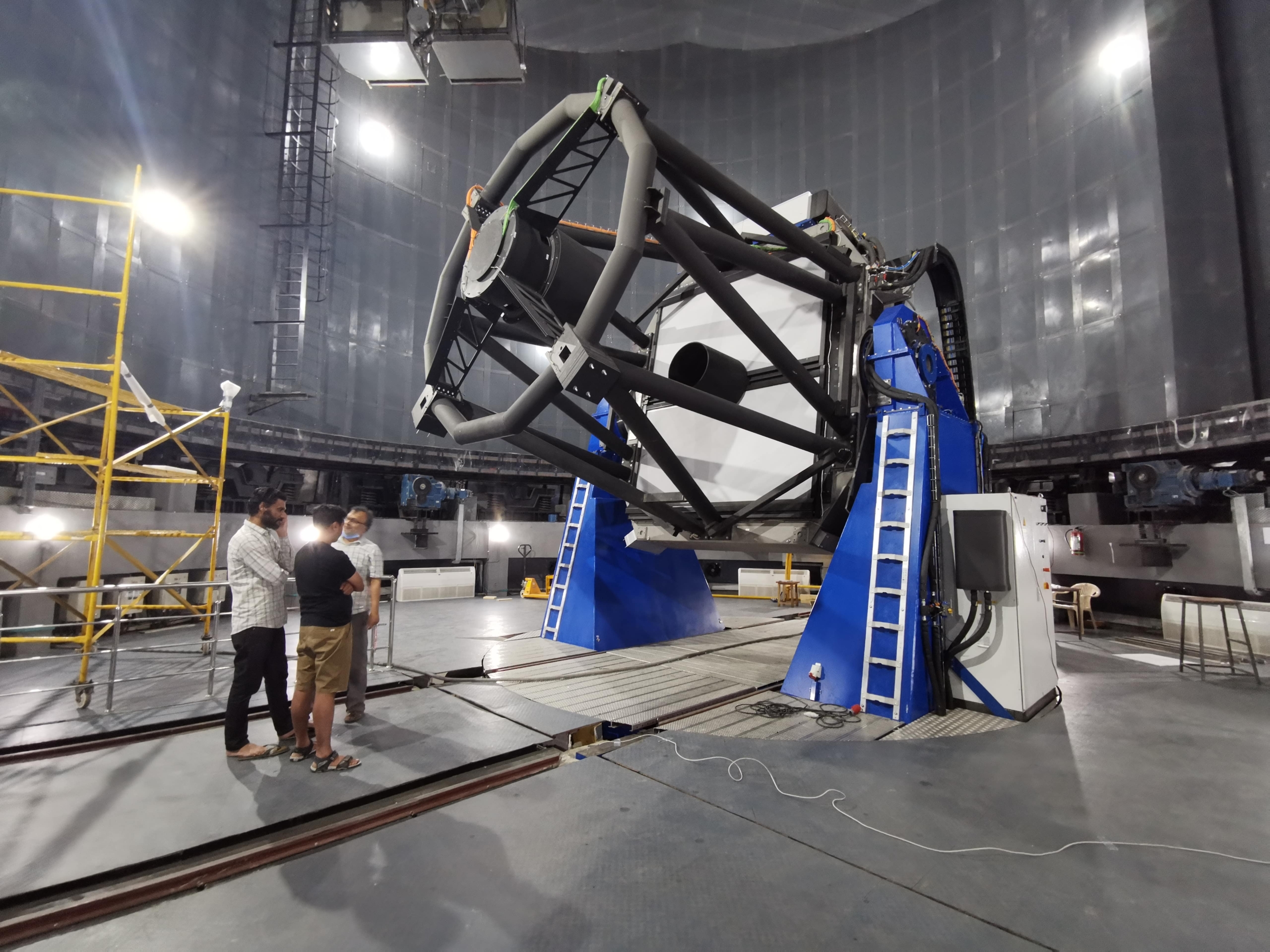
AMOS supplies custom telescopes and optical subsystems for ground-based observatories. Our turnkey telescope systems range from 50 cm to 4 m in diameter, with even larger sizes available for custom optical subsystems, including adaptative and active optics.
Read more
Our optomechanical structures, mounts, drives and control systems are designed and calibrated to maintain image quality and pointing accuracy under demanding environmental conditions such as strong winds or temperature variations.
Our telescopes are delivered as fully integrated systems: aligned, tested and ready for on-site installation and commissioning. Robustness is paramount, with some of our telescopes still delivering world-class science more than 25 years after their installation.
Space Situational
Awareness (SSA)
Optical systems for orbital characterization
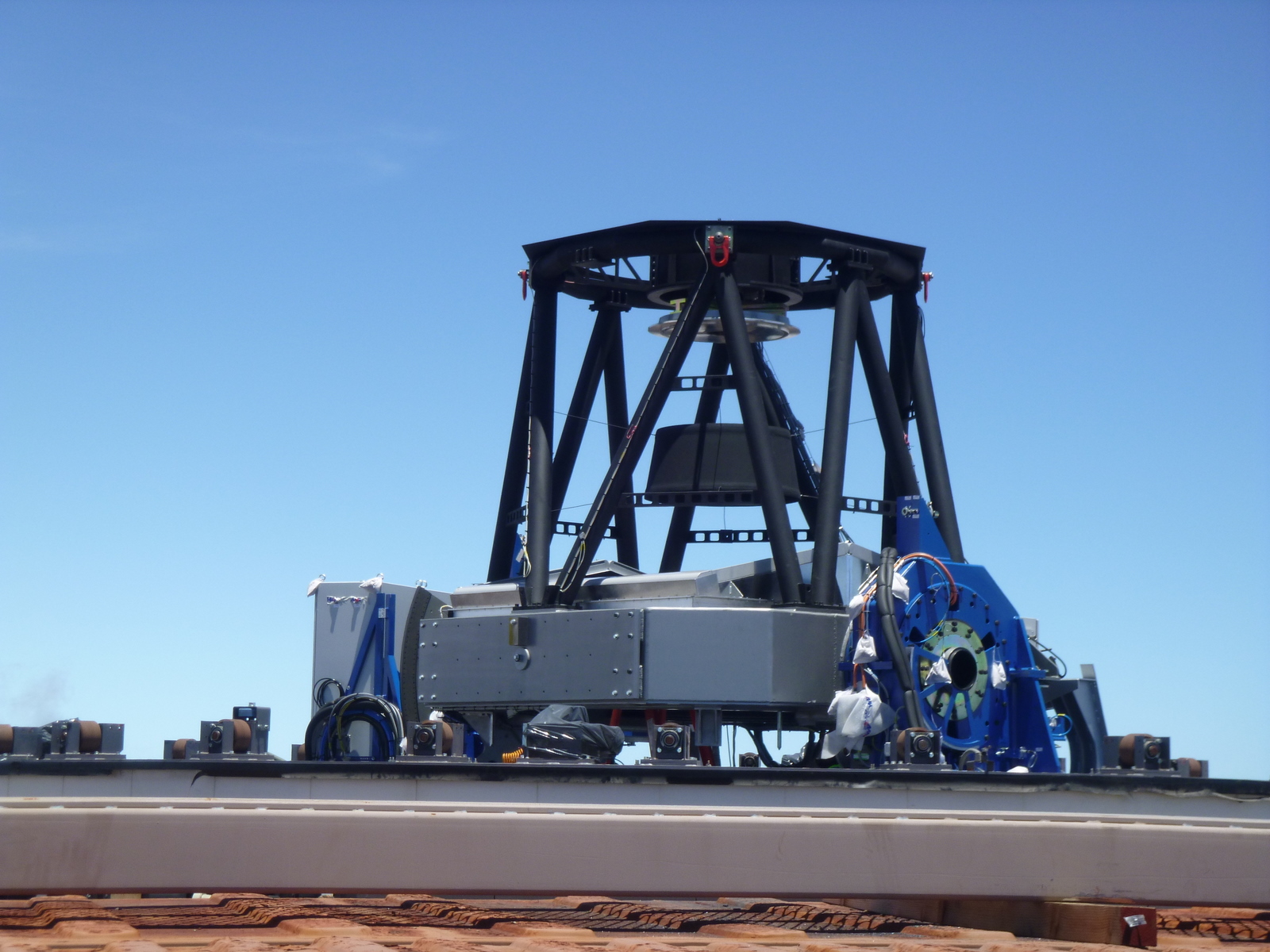
At AMOS, we contribute to Space Situational Awareness by providing high-precision optical and optomechanical systems for the detection, tracking and characterization of space objects.
Read more
Our telescopes enable reliable acquisition of tracking data, supporting accurate prediction of satellite trajectories, collision avoidance and long-term monitoring of the space environment.
By integrating optics, mechanics and control in-house, we deliver instruments engineered for the stability, precision and performance required for SSA operations.
Optical Communications
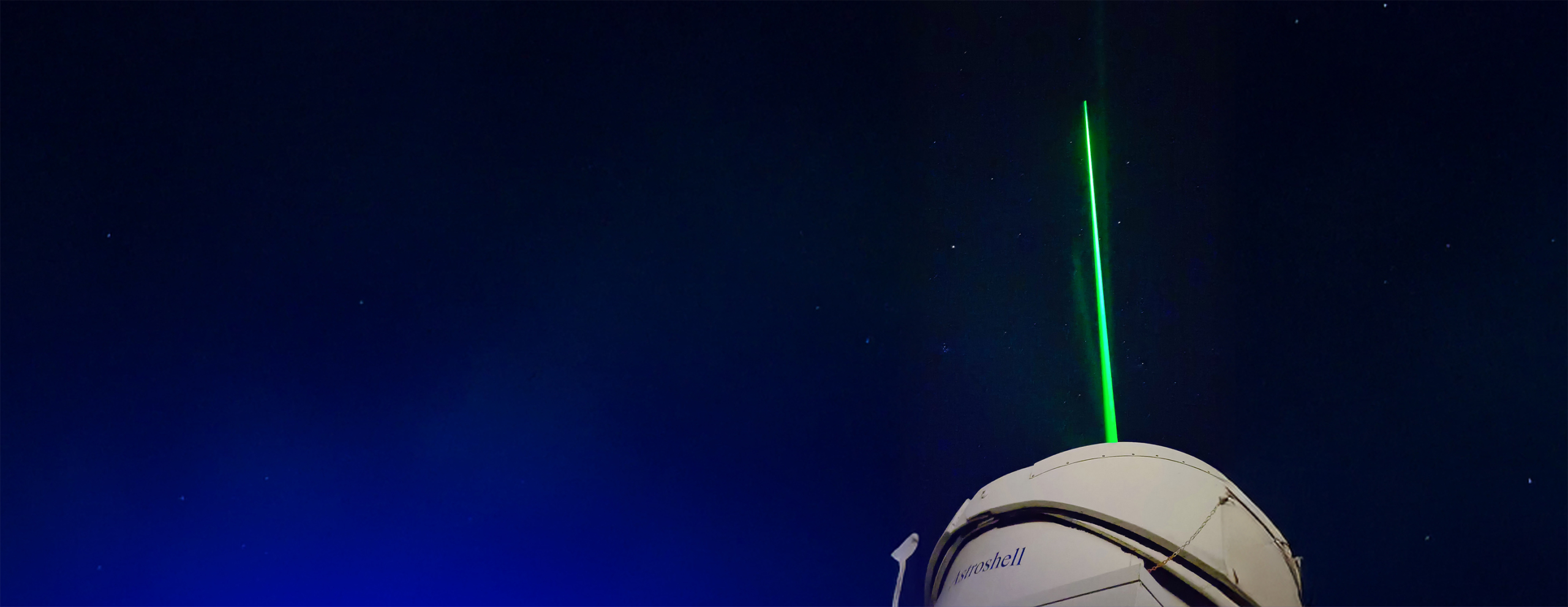
AMOS delivers turnkey Optical Ground Stations for earth-space optical communications combining a high-performance optical antenna, beam conditioning with optional adaptive optics, and closed-loop satellite tracking into a single, integrated system.
Large Optical Mirrors
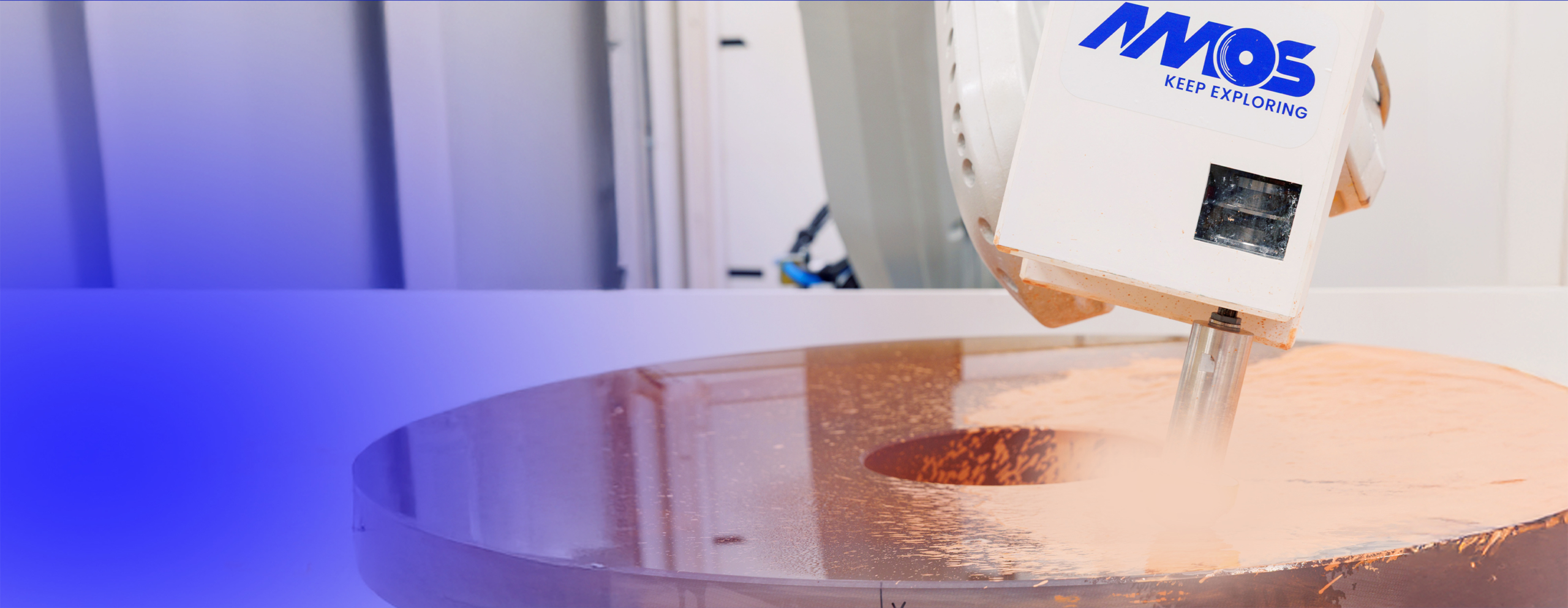
Large lightweight mirrors
AMOS designs and manufactures lightweight mirrors in various geometries and sizes for telescopes and space instruments, from 1 cm parts to primary mirrors up to 2.6 m in diameter.
Read more
Our teams handle the full processing workflow, from optical design support and blank procurement through machining, figuring, polishing, coating and final testing.
Each mirror is characterized and qualified to ensure it meets the rigorous optical specifications and the environmental constraints of its mission.
Enabling breakthrough
Some of our key projects
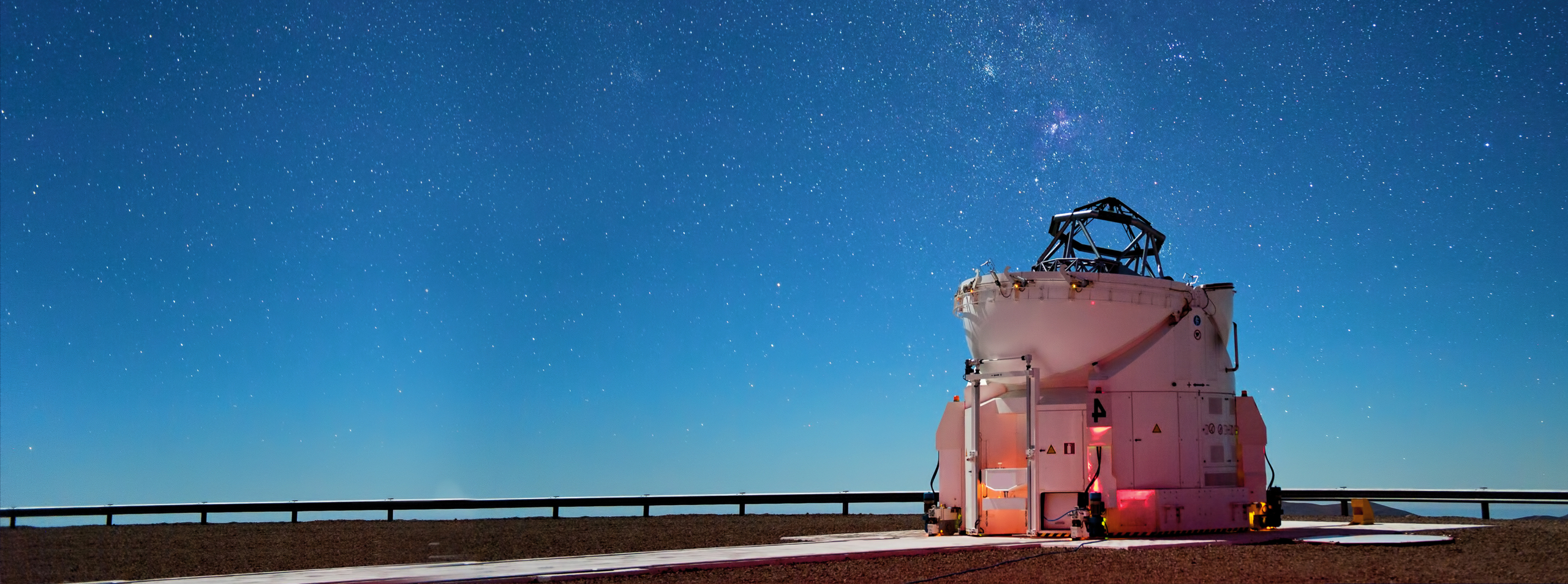
ATS VLTi
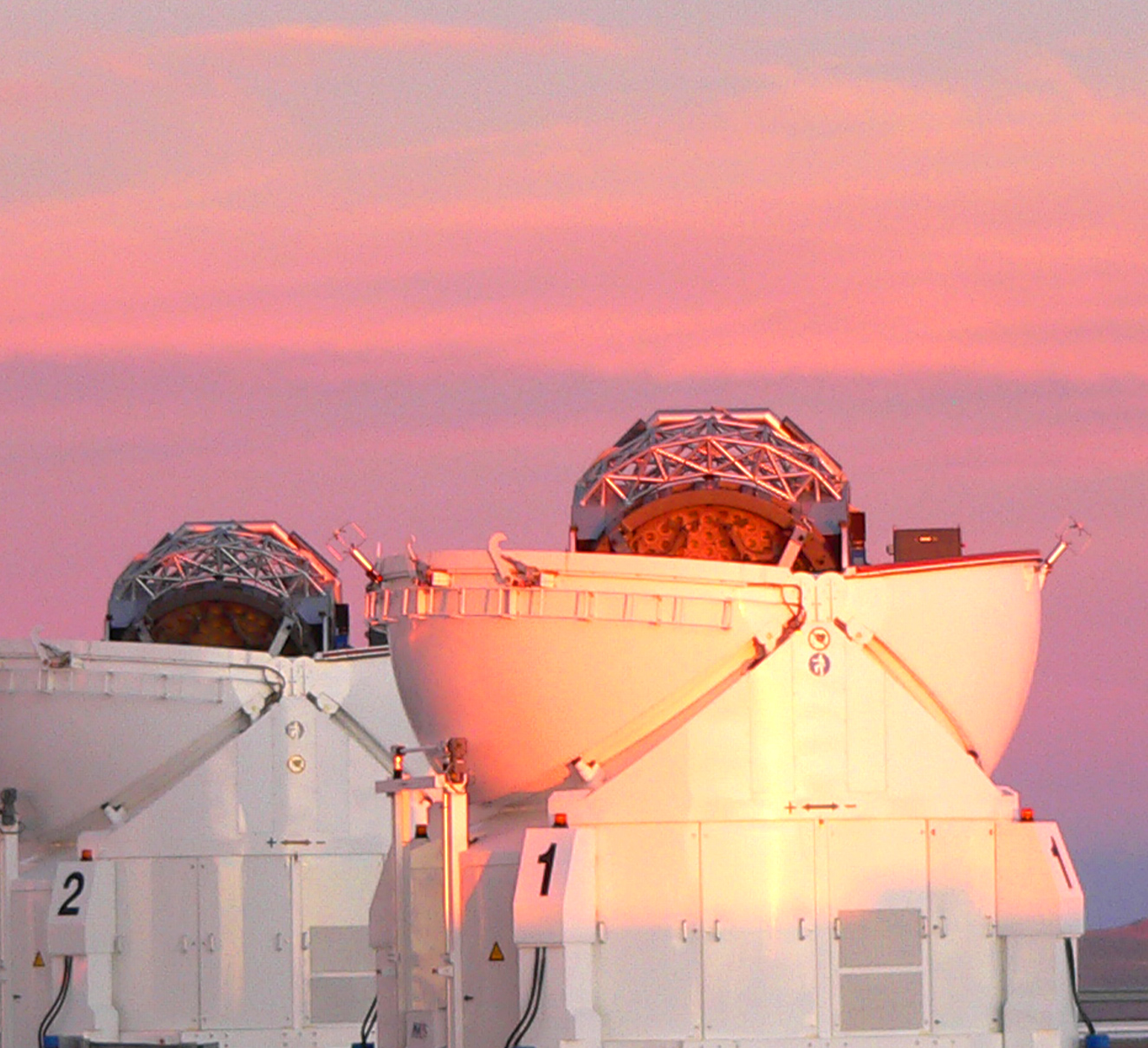
AMOS developed and installed the four 1.8m Auxiliary Telescopes of the Very Large Telescope Interferometer of ESO at Cerro Paranala, Chile. These unique autonomous telescopes can be relocated accurately on 30 different locations featuring a resolution as high as a 130-meter diameter single telescope.
ARIES
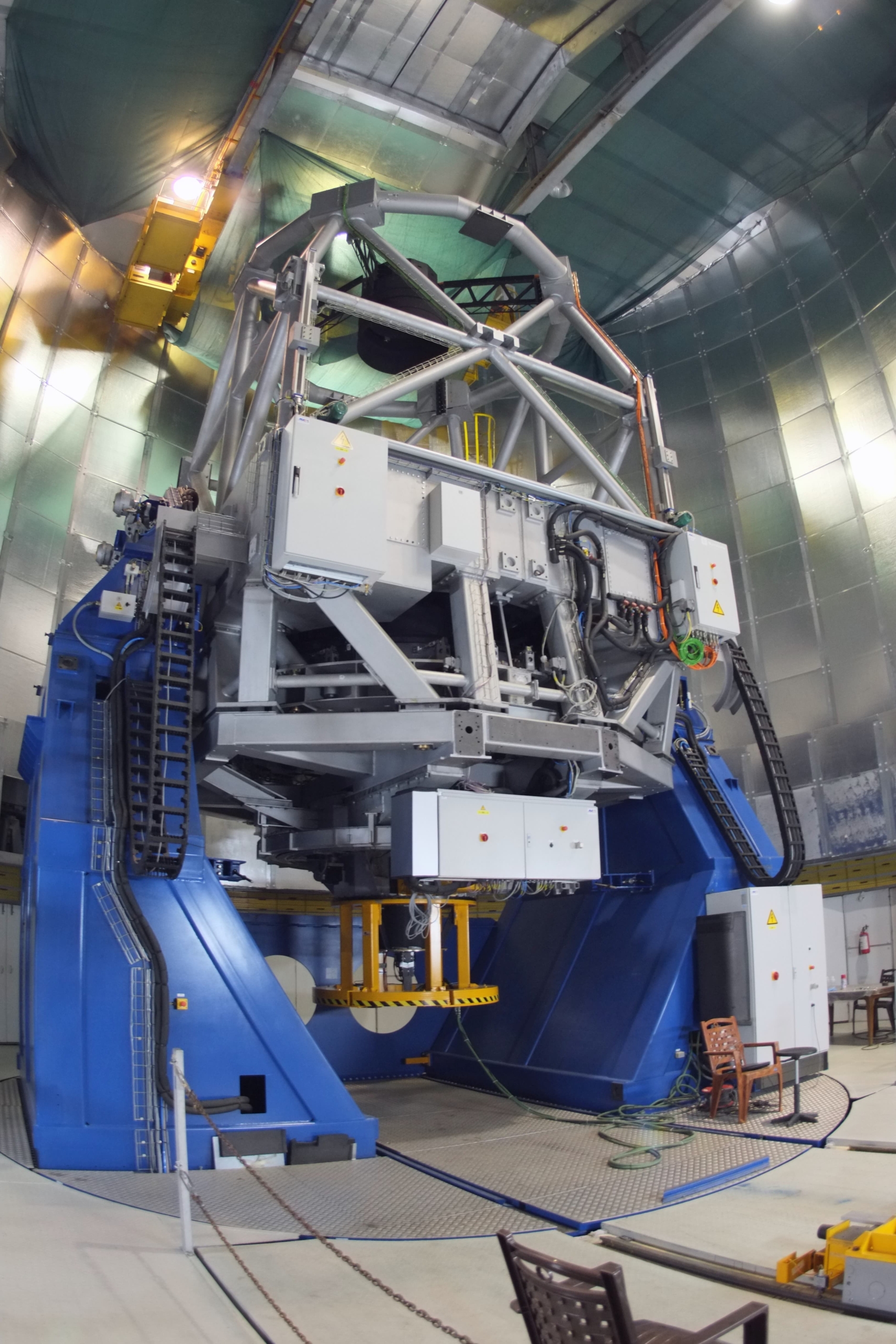
With the 3.6-meter Devasthal Optical Telescope, AMOS developed and installed the largets and most technologically advanced telescope ever built in India. It significantly expands the scientific observing capabilities of India in a region highly conducive to astronomical observation.
DKIST
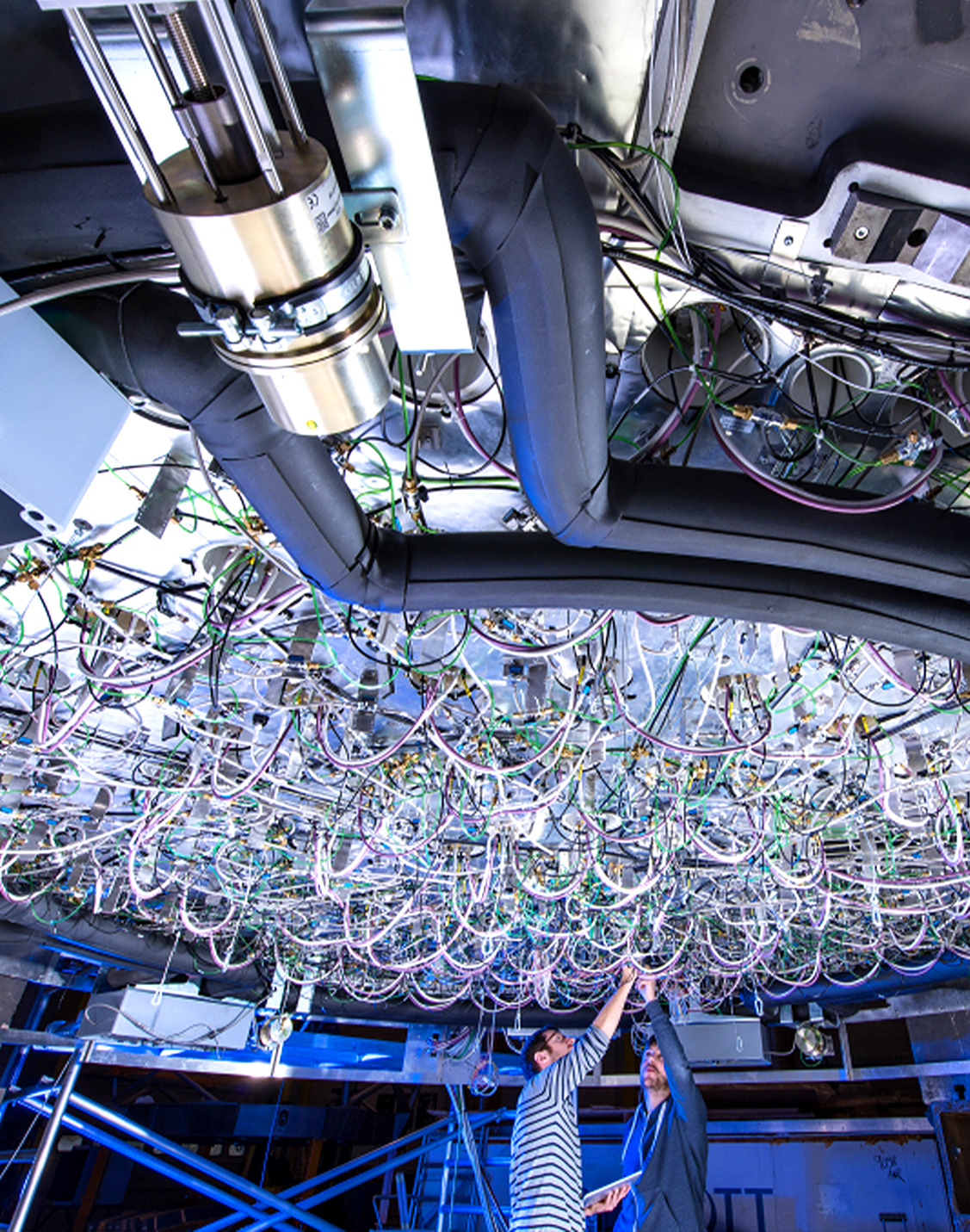
Daniel K. Inouye Solar Telescope (DKIST) is the world’s largest solar telescope. It reveals outstanding features of the Sun and represents a major scientific advancement. With this collaboration, AMOS contributed significantly to the development of the active support and thermal conditioning system for the 4-meter diameter meniscus mirror.
Advancing precision
in observation
Turning scientific requirements into buildable optical systems.
Delivering instruments designed for years of stable operation.
Supporting observatories throughout design, integration, and commissioning.

When standard solutions fall short
40+ years of engineering expertise.
Too much to fit here. Let’s talk about
designing your next instrument.