Space-Grade
Optical Instruments
Measuring the visible. Revealing the invisible. Engineering the impossible.

From Earth Observation
to deep-space exploration.
AMOS designs and builds optical payloads, subsystems, and test equipment engineered to meet the mechanical and thermal constraints of the space environment.
We develop payload instruments and subsystems for institutional and commercial missions, as well as optical and mechanical ground support equipment. This includes optical test systems, thermal-vacuum chambers, and handling equipment supporting payload qualification before launch.
40 +
Space missions directly supported by AMOS hardware and test systems.
10 +
Payload instruments and subsystems delivered for Earth Observation, meteorology, and climate monitoring.
20 +
Large test facilities and ground support systems delivered for satellite and payload qualification.
What we deliver for space missions
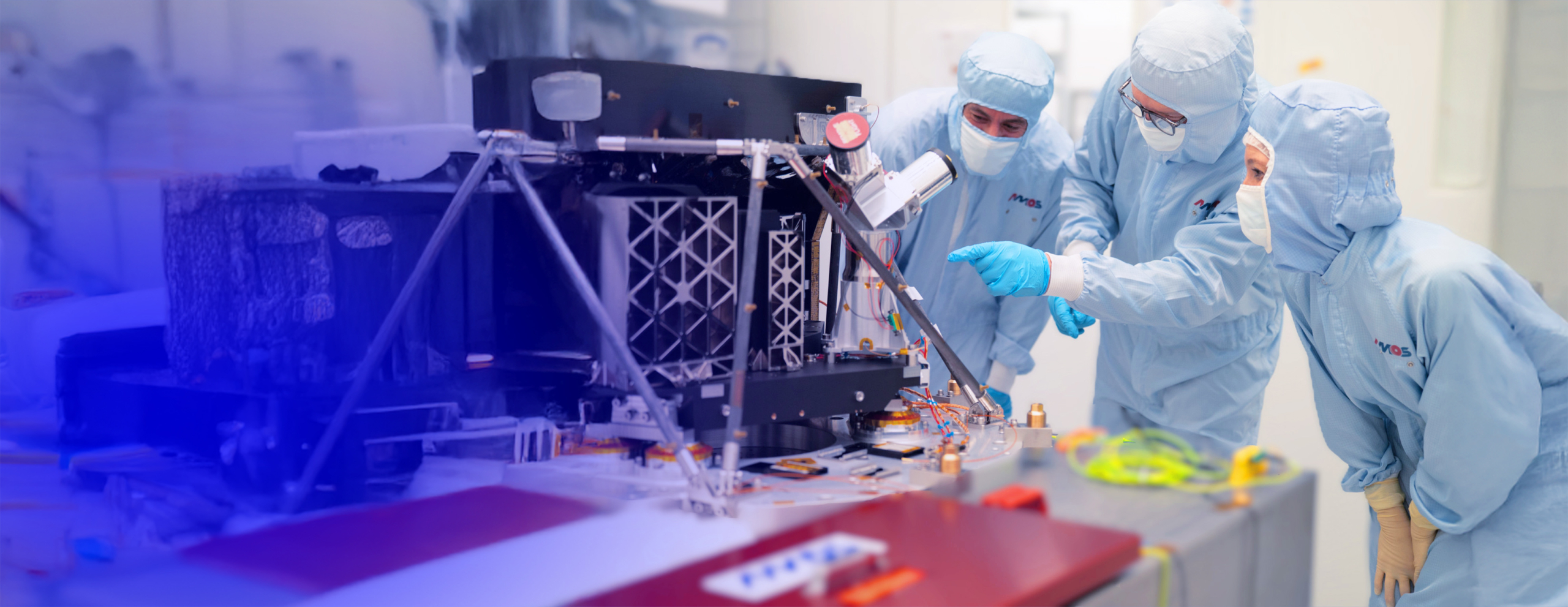
Hyperspectral
Instruments
AMOS develops hyperspectral imaging spectrometers for Earth Observation satellites, combining advanced optics and detectors into compact, high-performing, space-ready architectures.
Each instrument is engineered for high throughput and a wide spectral range compatible with small, medium, or large platforms.
Design, manufacturing, alignment and calibration are performed in-house so that subsystems are delivered fully tested and flight-ready.
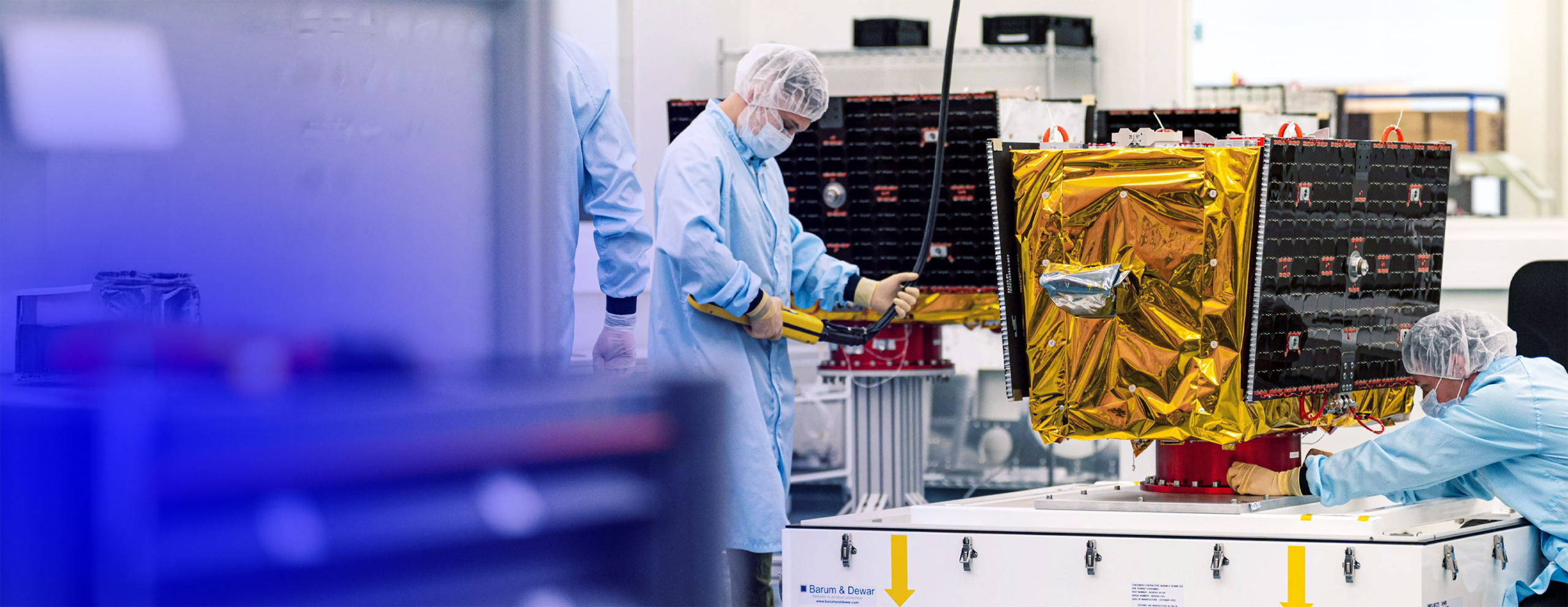
Very High-Resolution
Optical Payloads (VHR)
Our team designs and builds complete optical instruments and payloads for Earth Observation, solar, planetary, and deep-space missions. From design through integration, alignment, and testing, each unit is delivered as qualified, flight-ready hardware to prime contractors.
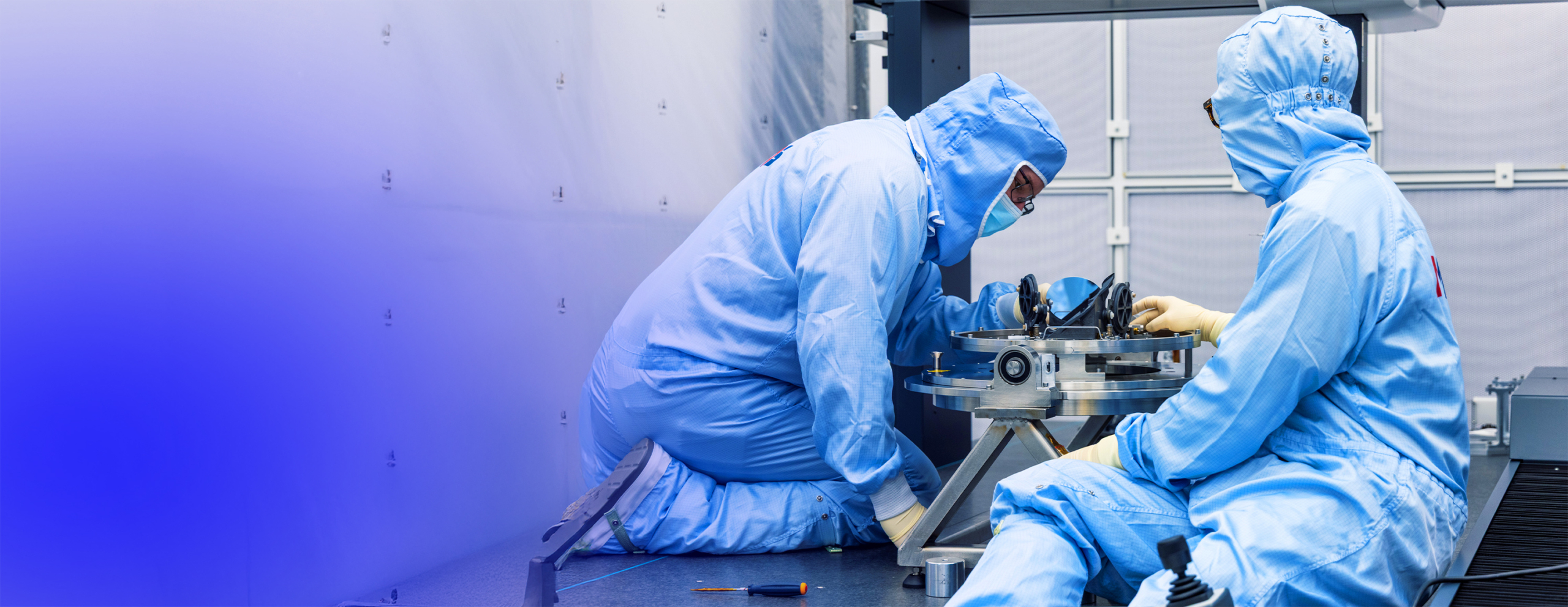
Optical Subsystems
These subsystems include telescopes, scan mirrors, optical derotators, and spectrometers, specifically designed to achieve the required in orbit imaging and radiometric performance.

Space Optics
Space optics and optical subsystems engineered for seamless integration into larger instruments. Designed to withstand launch loads, vacuum, and extreme thermal environments while preserving optical quality and alignment. Machined, polished, and verified in-house through full metrology and test campaigns.
Our optics are manufactured from a carefully selected range of space-qualified materials, including silicon carbide, aluminium with or without nickel plating, fused silica, and zerodur, chosen for their exceptional stiffness-to-weight ratios, thermal stability, and long-term dimensional integrity in the harshest orbital conditions.
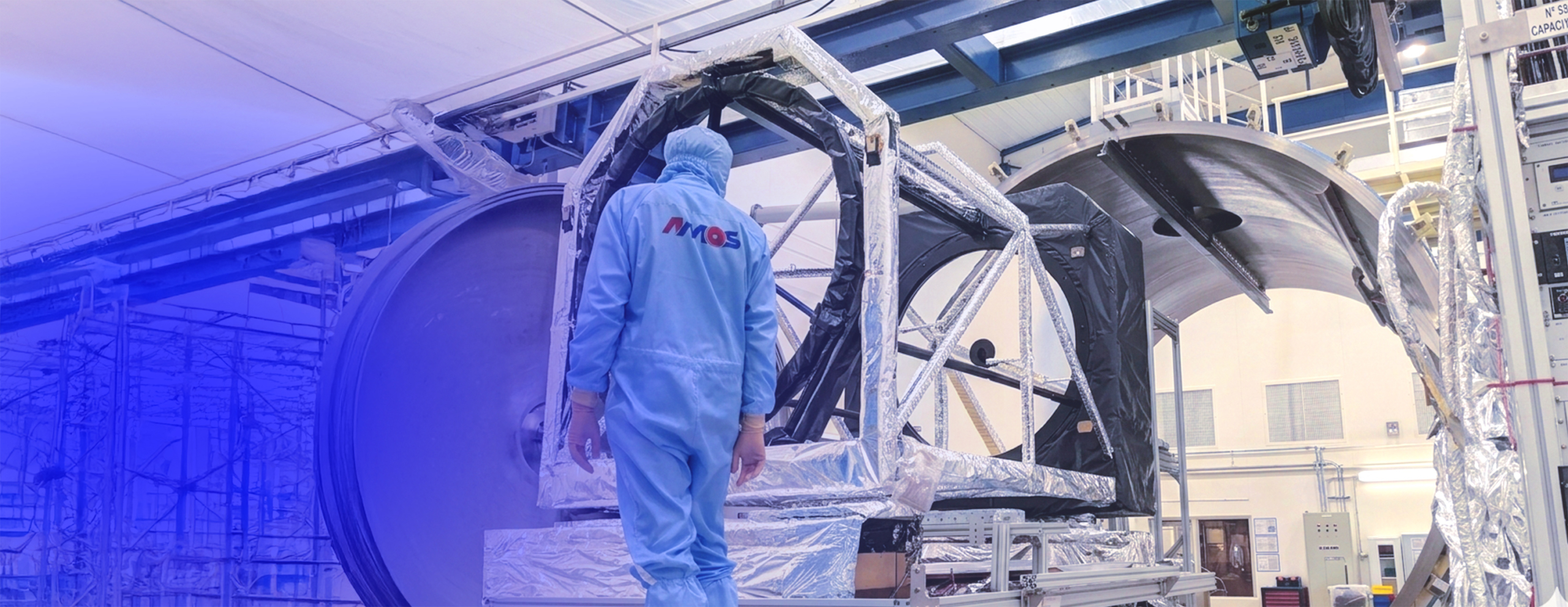
Optical Ground Support
Equipment (OGSE)
Benches for space-grade optical testing
To qualify high-performance optical instruments before first light, AMOS develops Optical Ground Support Equipment, including collimators, scene simulators and specialized test benches.
Read more
These systems are used in combination with the flight instruments in a setup that replicates the optical conditions of space and the final mission application, enabling precise characterization, alignment and performance verification prior to deployment. OGSE is engineered to meet stringent requirements for wavefront quality, mechanical stability and optical alignment across the full field of view.
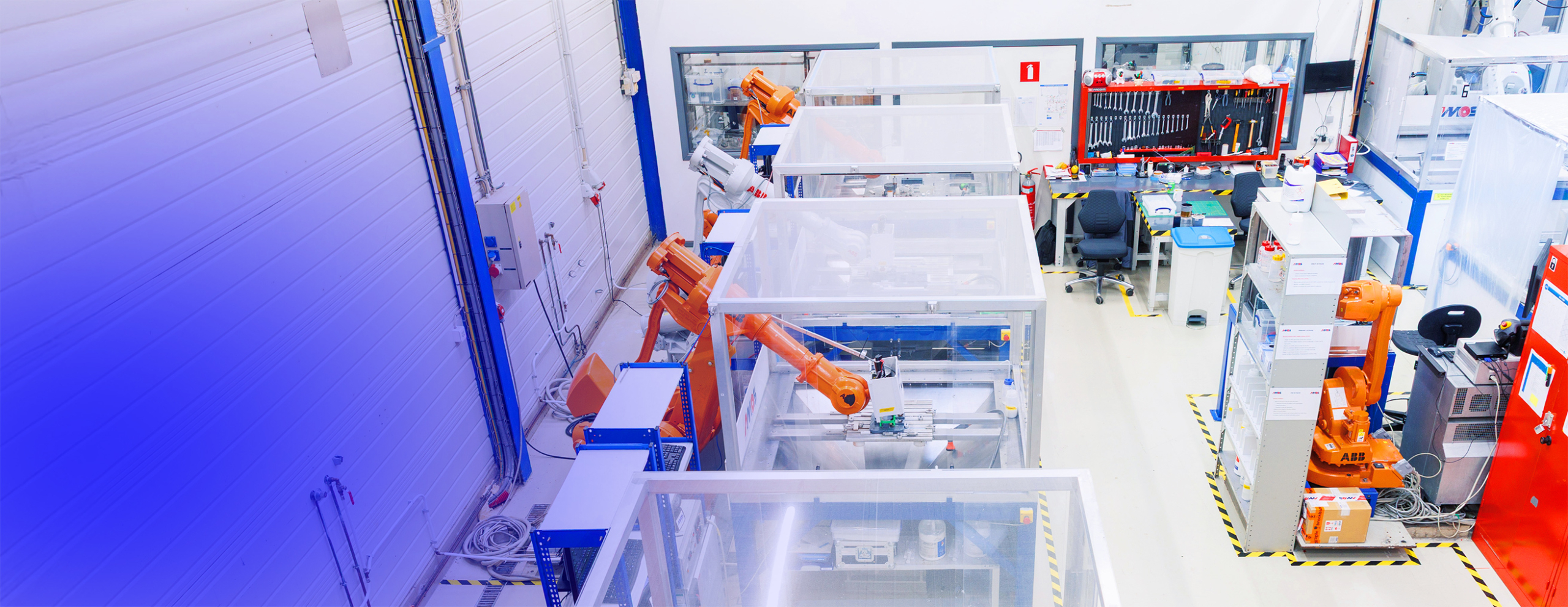
Across missions
AMOS instruments support Earth Observation, meteorology, optical communication and space situational-awareness missions.
A closer look at what we deliver for space missions.
- → Hyperspectral instruments
- → Optical payloads
- → Space optics & subsystems
- → OGSE & thermal-vacuum systems
Engineering for
Some of our key projects
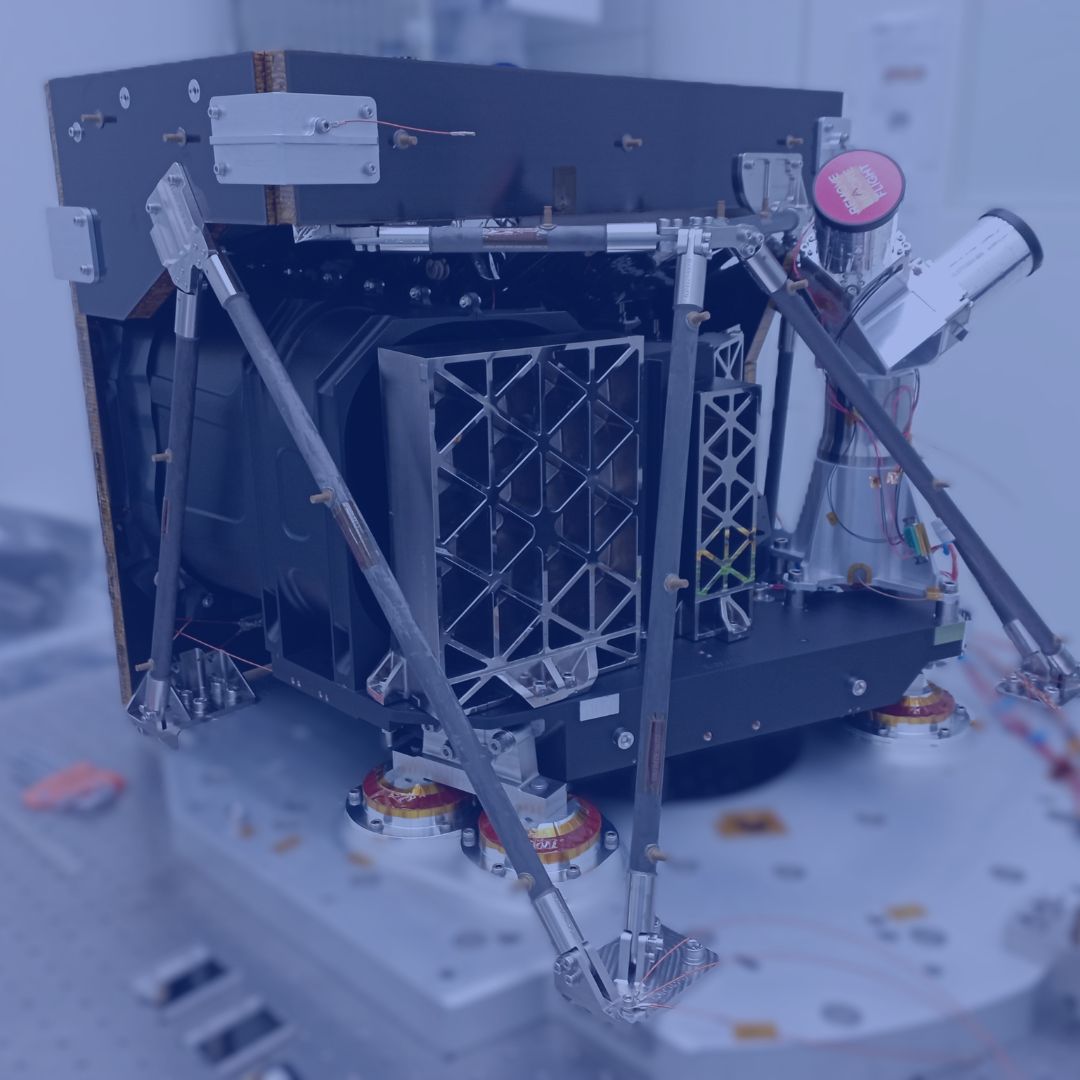
ELOIS
This founding initiative for our Technology Development division consists in a series of projects aiming at the design, development, manufacturing, test and qualification of a compact hyperspectral imager with unique features.
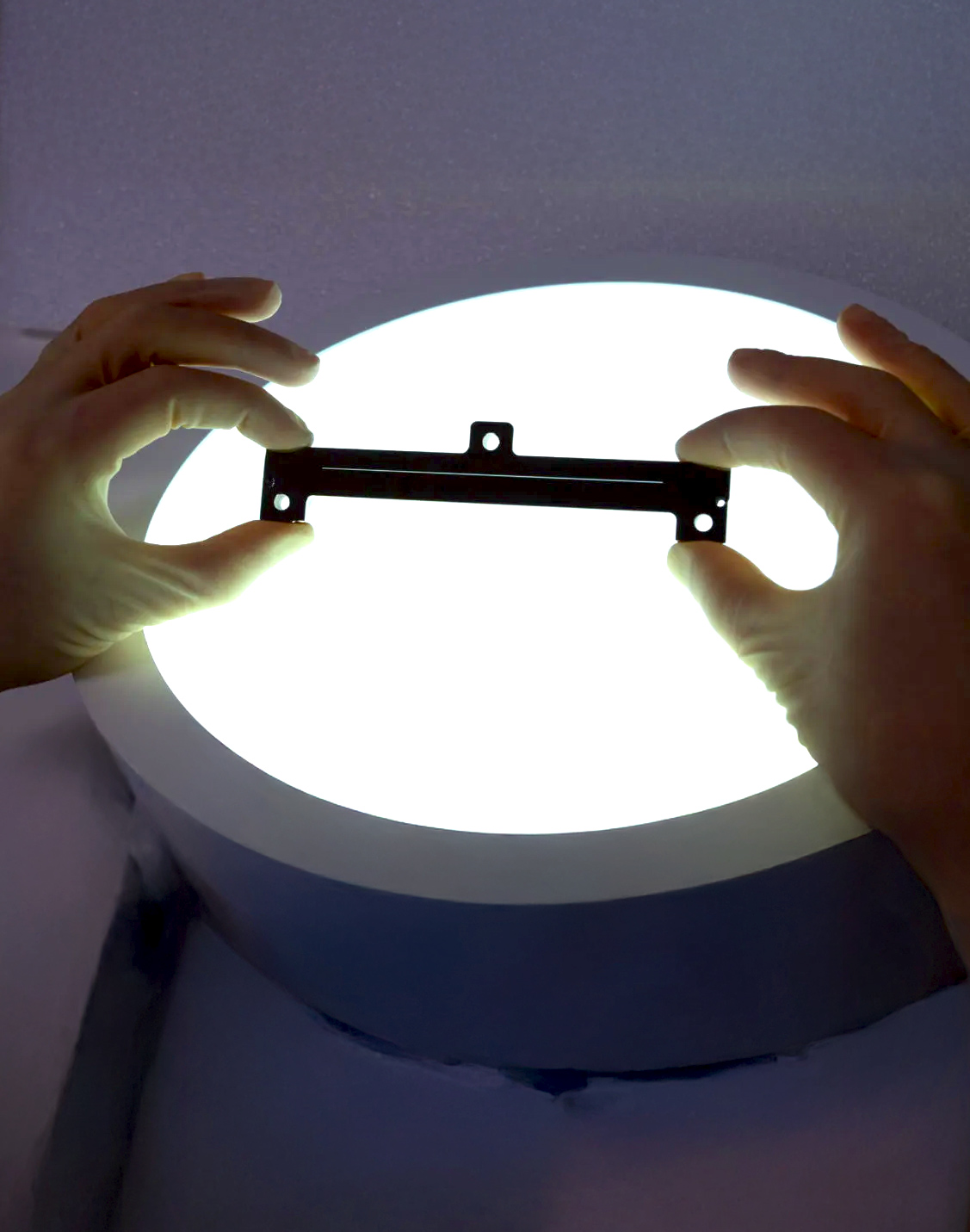
CHIME
The CHIME satellite mission (Copernicus Hyperspectral Imaging Mission for the Environment) will carry 6 hyperspectral spectrometers designed and built by AMOS.
CHIME will deliver unprecedented hyperspectral imaging capabilities for Earth Observation.
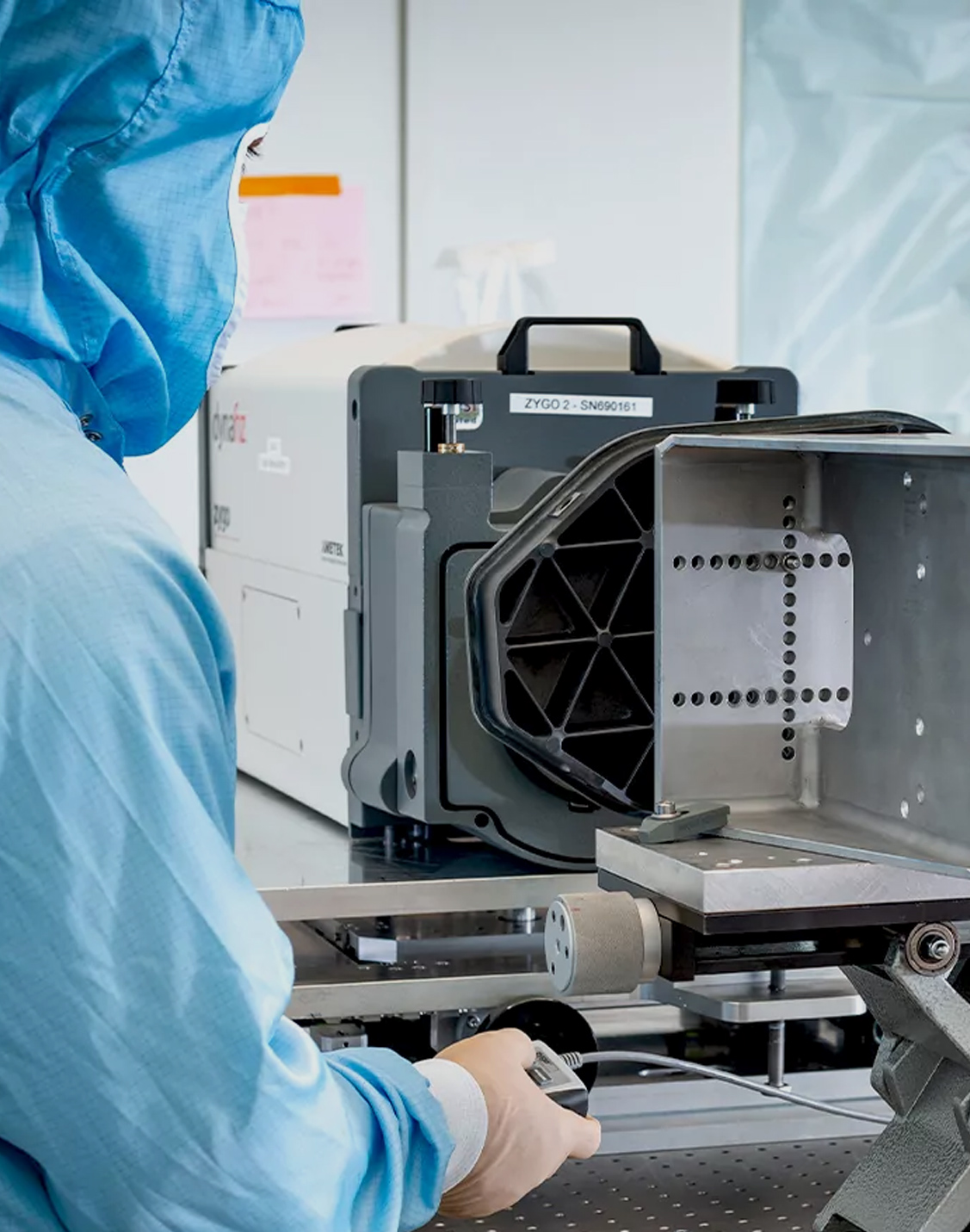
EUCLID
Polishing of the five internal SiC mirrors for the Euclid space telescope